
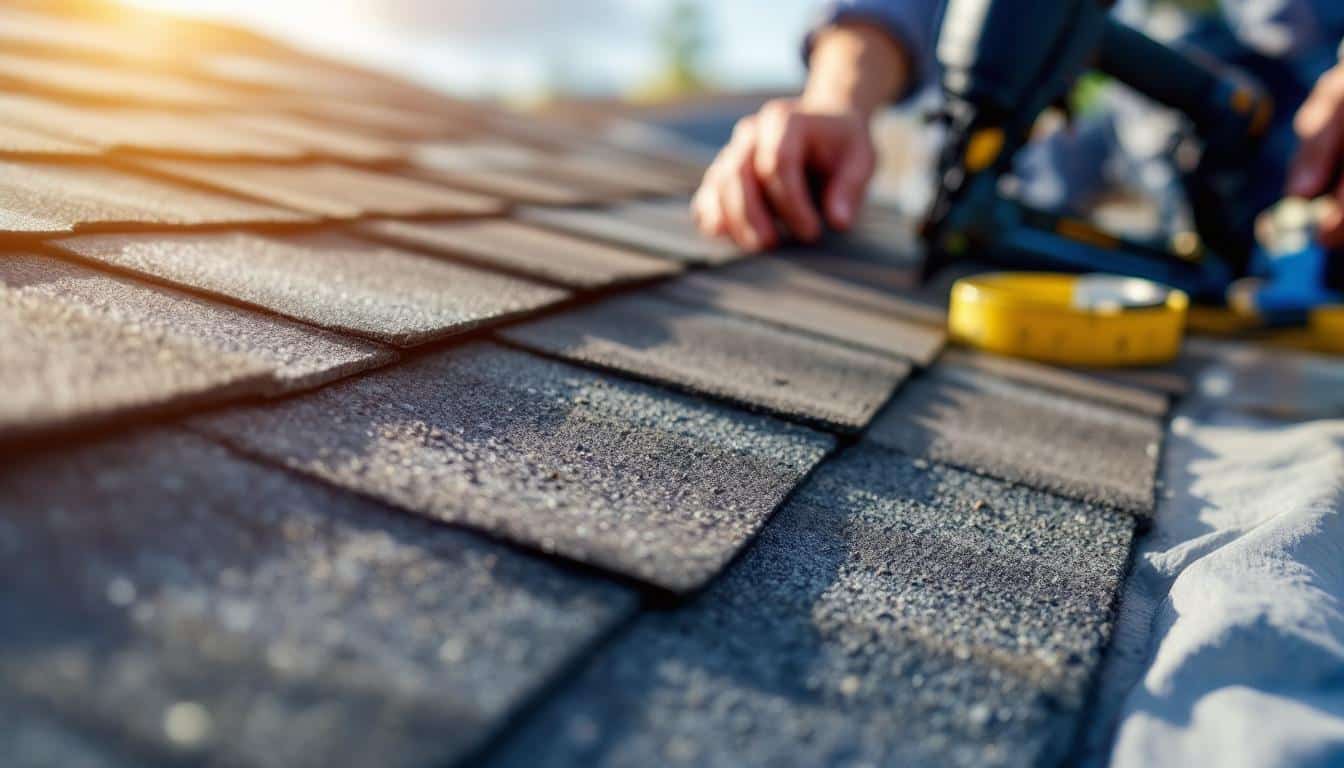
A new roof installation is a significant investment for any homeowner. It’s not just about protecting your property, it’s also about enhancing its value and efficiency.
At Harvey Roofing & Construction, we understand the importance of making informed decisions when it comes to your roof. This guide will walk you through the essential aspects of getting a new roof, from recognizing the signs that it’s time for a replacement to understanding the installation process.
When Is It Time for a New Roof?
Your roof serves as your home’s primary defense against the elements. Recognizing the right time to replace it is essential for maintaining your property’s integrity and value. Let’s explore the key indicators that signal it’s time for a new roof.
Age: The Silent Indicator
Most asphalt shingle roofs last between 20 to 30 years. If your roof approaches or surpasses this age, you should consider a roof replacement. Even if it appears fine from the ground, underlying issues may develop.
Visible Damage: More Than Just an Eyesore
Granule loss, cracked, or missing shingles indicate your roof’s deterioration. These issues allow water to seep in, potentially causing extensive damage to your home’s structure. Don’t wait for leaks to appear inside your home, it’s best to take action at the first sign of shingle damage.
Structural Concerns: Beyond the Surface
A sagging roof deck is a serious issue that demands immediate attention. It often points to structural problems caused by long-term water damage or poor ventilation. If you notice any dips or waves in your roof line, call a professional immediately.
Hidden Clues in Your Gutters
Inspect your rain gutters annually. If you find a large amount of granules (they look like coarse sand), your shingles are deteriorating. The National Roofing Contractors Association warns that excessive granule loss significantly reduces your roof’s effectiveness.
Light in the Attic: A Glaring Problem
If you can see daylight through your roof in the attic space, you could face a serious problem. This may mean your roof has gaps that let in not just light, but also water. Inspect your attic on a sunny day and look for any streams of light coming through the roof.
Regular roof inspections can catch these issues early. For homeowners in the Dallas Fort Worth Metro area, it is recommended to conduct roof inspections at least once a year. A new roof is an investment in your home’s future. It not only protects your property but can also boost your home’s curb appeal.
Now that you know the signs indicating the need for a new roof, let’s move on to an equally important aspect: choosing the right roofing material for your home.
Which Roofing Material Is Best for Your Home?
Asphalt Shingles: The Popular Choice
Asphalt shingles cover more than 80 percent of American homes. Their widespread use stems from beauty, affordability, and reliability. Asphalt shingles typically last 20-30 years in the North Texas climate and offer a wide range of colors and styles.
Metal Roofing: Longevity and Energy Efficiency
Metal roofing has surged in popularity due to its durability and energy-saving properties. The Metal Roofing Alliance found that metal roofs can last over 50 years with proper care. Their high reflectivity can reduce cooling costs by up to 25%. While the initial cost exceeds that of asphalt shingles, the long-term benefits often justify the investment. Metal roofs excel in areas prone to severe weather, resisting hail impact, high winds and fire.
Tile Roofing: Beauty and Durability
Tile roofs offer distinct aesthetic appeal and exceptional longevity. These roofs can last over 50 years. However, their weight often requires additional structural support, and their upfront cost is higher. There are also synthetic tile, slate, and wood shake style material options available that have cost advantages as well as weighing far less that traditional tile, removing the necessity for additional structure support modifications. The long-term durability can make tile roofs cost-effective over time.
Factors to Consider in Your Decision
Climate plays a key role in material selection. In areas with high temperatures and occasional severe storms, materials that withstand these conditions further ensures a better return on investment from your new roof.

Budget constraints will influence your choice. Asphalt shingles offer affordability upfront, while metal or tile might save money long-term through durability and energy efficiency.
Your home’s architectural style should guide your decision. Modern homes often pair well with sleek metal roofing, while traditional houses might benefit from classic asphalt shingles or elegant tile styles.
The right roofing material combines durability, efficiency, and aesthetics for your specific needs. As we move forward, let’s explore the roof installation process to understand how your chosen material becomes an integral part of your home’s protection system.
How Does the Roof Installation Process Work?
Preparation and Removal
The roof installation process starts with the preparation of the work area and removal of old roofing materials. This step allows for the identification of any underlying issues with the roof structure. A professional team removes old shingles, underlayment, and flashing carefully to avoid damage to the roof deck or surrounding property.
Good workmanship and proper attention to detail are just as important as material selection for the longevity of the new roof.
Inspection and Repair
After the removal of old roofing materials, a thorough inspection of the roof deck follows. This step identifies any water damage, rot, or structural issues that may have been hidden beneath the old roof. The Asphalt Roofing Manufacturers Association emphasizes the importance of a solid foundation for new roofing materials.

Professionals repair or replace damaged sections of the roof deck to ensure a sturdy base for the new roof. They also check for proper ventilation at this stage, as adequate airflow prevents moisture buildup and extends the life of the roof.
Waterproofing and Underlayment
The next step involves the installation of a water-resistant or waterproof underlayment to provide an additional layer of protection against water infiltration. In areas prone to ice dams, special ice and water shields are installed along the eaves, valleys, and other vulnerable areas.
The type of underlayment used can significantly impact a roof’s performance. For instance, synthetic underlayments have gained popularity due to their superior water resistance and durability compared to traditional felt paper.
Installing New Roofing Materials
With the cleaned roof deck prepared, the installation of the chosen roofing material begins. Whether it’s asphalt shingles, metal roofing, or tile, experienced teams ensure precise installation according to manufacturer specifications.
For asphalt shingles, a specific nailing pattern and technique maximizes wind resistance.
During this phase, new flashing is installed around chimneys, vents, and other roof penetrations to prevent leaks. Proper flashing installation is critical for preventing leaks.
The roof replacement process typically takes 1-2 days for most residential projects (depending on the size and complexity of the roof). Throughout the installation, professional teams maintain a clean work area and take precautions to protect the property from debris.
Final Thoughts
A new roof installation represents a significant investment in your home’s future. It enhances protection against the elements, improves energy efficiency, and can potentially lower insurance premiums. Professional installation ensures proper fitting, sealing, and ventilation, which maximizes the lifespan and performance of your roof.
Regular inspections and maintenance play a vital role in preserving your new roof’s longevity. We recommend professional inspections once a year and after severe weather events. Quick repairs of minor roof issues prevent larger problems, ensuring your roof continues to protect your home effectively for many years to come.
When you’re ready for a new roof installation, trust the experts at Harvey Roofing & Construction. Our team’s dedication to quality and customer satisfaction sets us apart in the roofing industry. We use top-quality materials and skilled professionals to ensure your new roof withstands the test of time, safeguarding your home and family for decades.
Harvey Roofing & Construction proudly provides roof replacement services in: Burleson, Joshua, Crowley, Cleburne, Rio Vista, Whitney, Granbury, Glen Rose, Crowley, Godley, Mansfield, Midlothian, Cedar Hill, Waxahachie, Alvarado, Fort Worth, Haltom City, Everman, Forest Hill, White Settlement, Arlington, Pantego, Grand Prairie, Keller, Haslet, Benbrook, Aledo, Annetta, Willow Park, Azle, Weatherford, Springtown, Saginaw, North Richland Hills, Hurst, Euless, Bedford, Watauga, Irving, Colleyville, Grapevine, Southlake, Roanoke, & surrounding areas.
Harvey Roofing & Construction
817-422-4847
HarveyRoofingTX.com
5712 Regalview Dr
Joshua, TX 76058
Recent Customer Reviews
from Around the Web





[nicejob-engage position=’left’ event-types=’Booking,Review’]